Amazon’s Ashburn Data Center Plans Spark New Conversation in Loudoun County
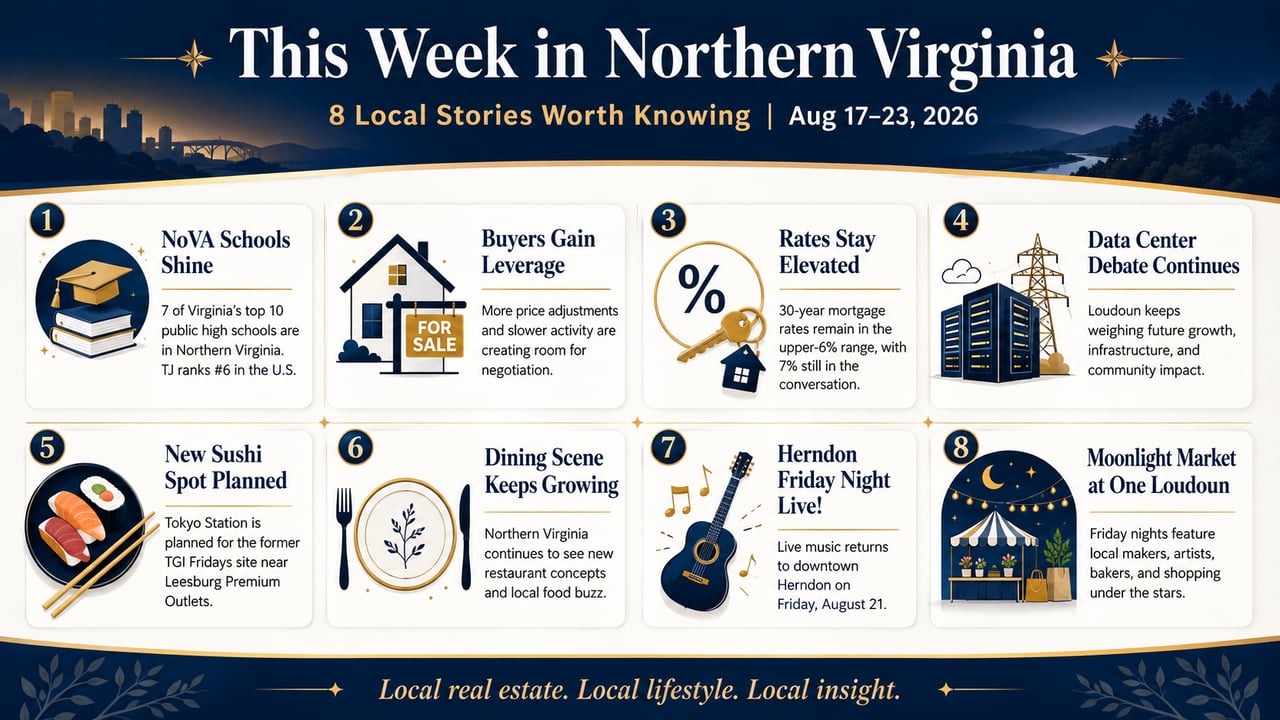
Data centers have been one of the biggest conversations in Loudoun County for years, and a new proposal tied to Amazon is putting the issue back in the spotlight.
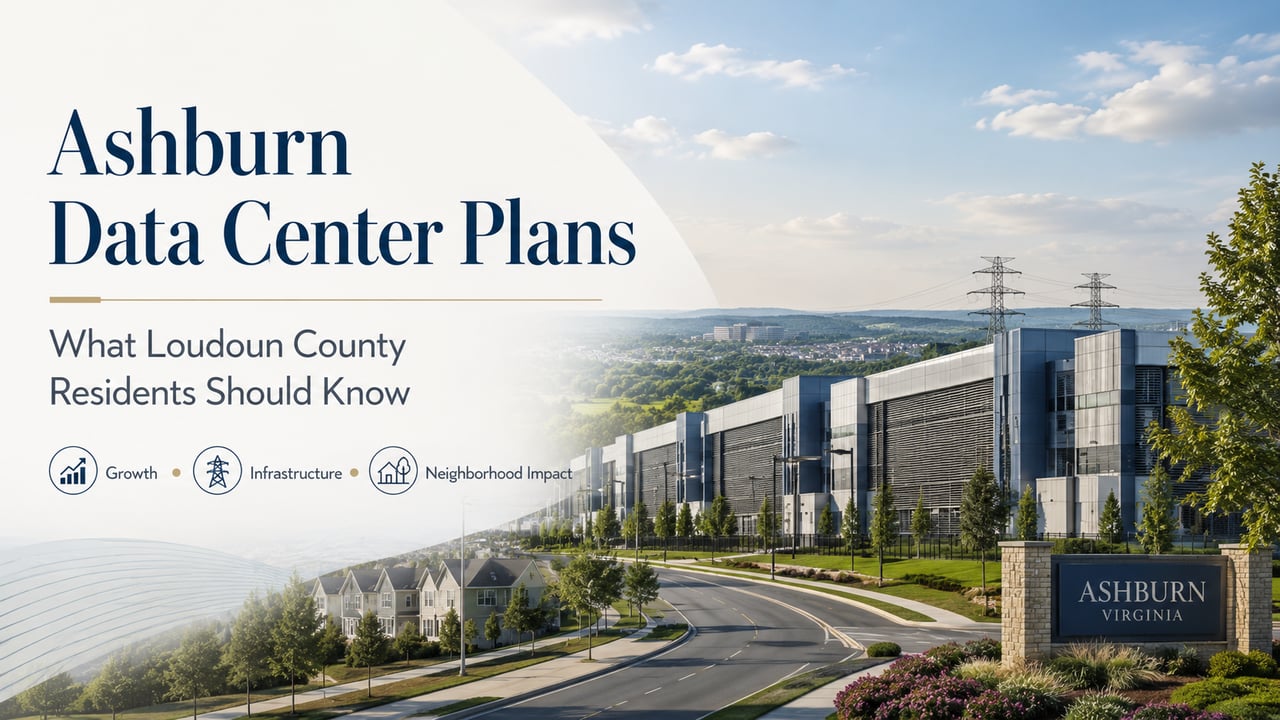
According to recent local reporting, Amazon has filed plans for four new data center buildings at George Washington University’s former Virginia Science and Technology Campus in Ashburn. The proposal, referred to as Bridgefield Tech Center, has drawn pushback from nearby residents and local officials who are concerned about the continued expansion of data centers in an area already known as “Data Center Alley.”
For many Loudoun residents, this is not just a commercial development story. It is a quality-of-life story.
Why This Proposal Is Getting Attention
The former GW campus sits in Ashburn, one of Loudoun County’s most well-known and fast-growing communities. While data centers have brought major tax revenue and economic growth to the county, many residents are increasingly asking where these projects belong — and where they do not.
Concerns around new data center development often include:
Traffic and construction impacts
Noise from equipment and generators
Visual changes to the landscape
Power demand and utility infrastructure
Proximity to neighborhoods, schools, parks, and residential areas
Long-term land use and community planning
This latest proposal is getting attention because residents are watching how Loudoun balances economic development with everyday livability.
The Bigger Data Center Conversation in Loudoun
Loudoun County has become one of the largest data center markets in the world. That growth has helped fund county services and has played a major role in the local tax base. But as more projects move closer to residential areas, residents are pushing for more thoughtful planning and stronger standards.
Loudoun County has already been reviewing data center policies and zoning standards, including topics like building height, noise, energy use, utility substations, onsite power generation, parking, and where data centers should be allowed.
In other words, the conversation is shifting from “Should Loudoun have data centers?” to “Where do they make sense, and how should they be designed?”
What This Means for Residents
For homeowners and future buyers, stories like this matter because land use decisions can shape how a community feels over time. Data centers may not impact every neighborhood the same way, but they can influence traffic patterns, utility planning, views, noise concerns, commercial growth, and how nearby areas develop.
This is especially important in Ashburn, where residents value access to schools, parks, trails, shopping, restaurants, commuter routes, and established neighborhoods. When a major site changes direction, people naturally want to understand what that could mean for the surrounding community.
Why It Matters for Real Estate
Real estate is never just about the house. It is also about what is happening around the house.
Buyers often ask about schools, commute times, future development, nearby commercial projects, road improvements, and neighborhood feel. Sellers also need to understand how local headlines may influence buyer perception.
A home’s value is shaped by more than square footage and finishes. Community planning, infrastructure, and future land use all play a role.
That does not mean every data center proposal is automatically negative. It does mean residents should stay informed and pay attention to public meetings, county updates, and official planning decisions.
The Bottom Line
Amazon’s proposed data center plans in Ashburn are part of a much larger conversation happening across Loudoun County. Data centers have helped fuel the county’s growth, but residents are asking fair questions about balance, location, infrastructure, and long-term community impact.
As Loudoun continues to grow, these conversations will matter more and more...especially for homeowners, buyers, sellers, and anyone who cares about what the future of Northern Virginia communities will look like.
If you live in Loudoun County or are thinking about moving here, this is exactly the kind of local issue worth following. It is a reminder that choosing a home is not just about the property itself. It is about the community around it, the future plans nearby, and how those changes may shape daily life.