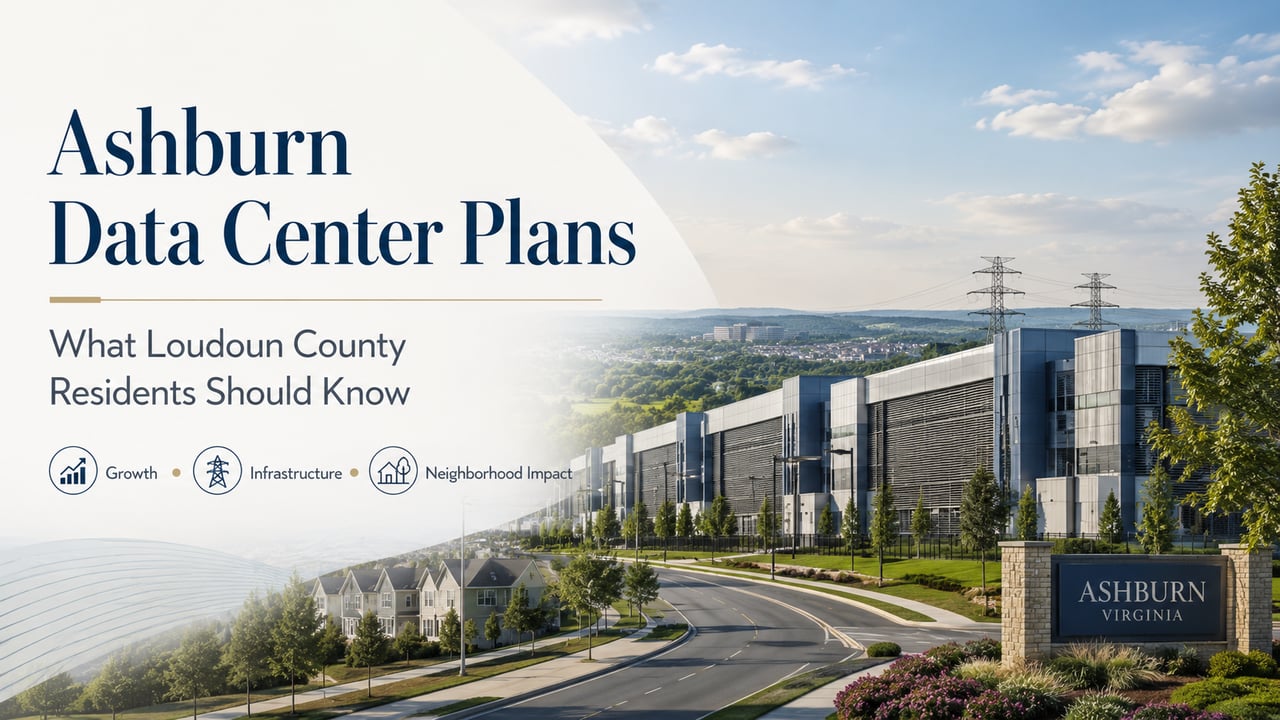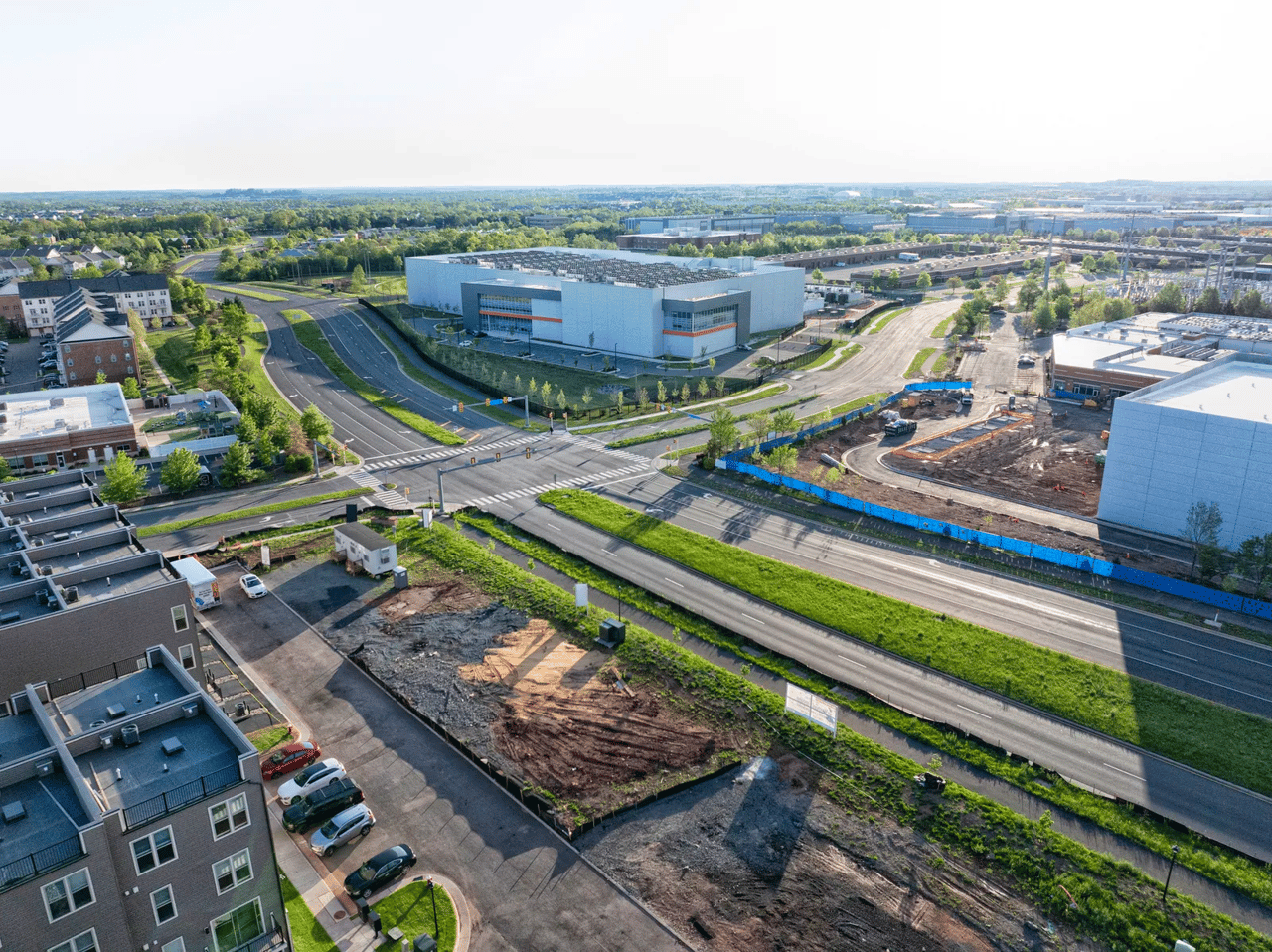
Opening question: What does Virginia’s new data center power tax mean for Northern Virginia communities?
Virginia’s new data center power tax takes effect on July 1, 2026, adding a first-of-its-kind tax tied to electricity use by certain data centers. For Northern Virginia, where data center growth has become a major local issue, this matters because the conversation is no longer just about technology jobs and tax revenue—it is also about energy demand, infrastructure, land use, and quality of life.
Why Data Centers Matter So Much in Northern Virginia
Northern Virginia is one of the most important data center markets in the world, often referred to as “Data Center Alley.” These facilities support the digital infrastructure behind cloud computing, artificial intelligence, streaming, apps, and everyday online services.
But as data center growth has expanded, so have local concerns. Residents and local leaders have increasingly discussed issues such as:
- Electricity demand
- Noise and environmental impacts
- Land use decisions
- Local tax revenue
- Infrastructure planning
- Community character and long-term growth
That is why Virginia’s new power tax is getting attention. It represents a shift in how the state may balance the economic benefits of data centers with the costs and pressures that come with rapid development.
What the New Tax Does
According to Kiplinger and other reporting, Virginia lawmakers approved a new tax on electricity consumption by certain data centers, beginning July 1, 2026. The tax rate is reported as $0.011 per kilowatt-hour and is expected to last for two years, with a sunset date of July 1, 2028.
The goal is to create a revenue stream more directly connected to the large power usage associated with data centers.
This does not mean most individual residents will see a direct new tax on their household electric bill from this policy. Instead, the tax is aimed at data center electricity consumption.
Why This Is a Real Estate Issue
At first glance, data centers may seem like a technology or tax policy issue. But in Northern Virginia, they are also connected to real estate.
Large-scale data center development can influence:
- How land is used
- Where commercial development expands
- Local government revenue planning
- Infrastructure demand
- Community conversations around growth
- Buyer and seller perceptions of nearby development
For homeowners, buyers, and sellers, the key point is not to assume every data center project has the same impact. Location, zoning, setbacks, infrastructure plans, and local policy all matter.
What Buyers Should Pay Attention To
If you are buying in Northern Virginia, data center growth is one more reason to look beyond the house itself.
You may want to understand:
- What is planned nearby
- How surrounding land is currently zoned
- Whether major utility or road improvements are being discussed
- How local officials are handling future development
- Whether the area is seeing broader commercial growth
This is not about avoiding one type of property or area. It is about making an informed decision based on the full picture.
What Sellers Should Understand
If you are selling, data center growth may come up in buyer questions, especially in parts of Northern Virginia where the issue is highly visible.
A strong listing strategy should be factual and local. Avoid broad claims. Instead, focus on verified details such as location, access, property features, recent comparable sales, and current market conditions.
Buyers today are doing more research. Sellers who are prepared to address local development questions clearly and accurately can create a smoother conversation.
The Bigger Picture for Northern Virginia
Virginia’s data center power tax shows how important this issue has become. Data centers remain a major source of economic activity and local tax revenue, but they also raise serious questions about energy use, infrastructure, and long-term planning.
For Northern Virginia real estate, the lesson is simple: local context matters.
A national headline may tell you what happened. A local real estate strategy helps you understand what it means for your neighborhood, your property, and your next move.
Final Takeaway
Virginia’s new data center power tax is not just a tax story. It is part of a larger conversation about how Northern Virginia manages growth, infrastructure, and land use in the years ahead.
If you are buying or selling in an area affected by data center development, the best move is to understand the local facts before making a decision.